
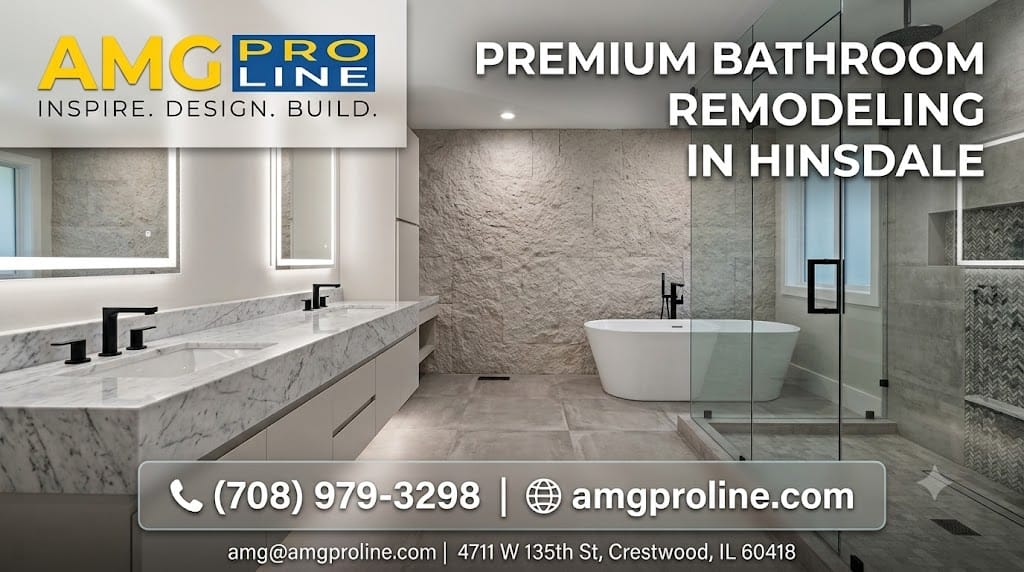
Bathroom remodeling Hinsdale homeowners undertake requires far more than surface-level aesthetic updates. Situated in one of Chicago’s most affluent and architecturally significant western suburbs, Hinsdale is a living museum of American housing. From the stately 19th-century Italianates and Queen Annes in the Robbins Park Historic District to the mid-century moderns and newer custom builds, residential architecture here demands an uncompromising level of craftsmanship.
A standard “rip-and-replace” contractor approach will not suffice in this market. Executing a true luxury renovation requires bridging the gap between centuries-old structural frameworks and the ultra-modern wellness amenities demanded by today’s high-end real estate market.
If you are planning to transform your primary suite or powder room, partnering with specialized experts in Bathroom Remodeling Hinsdale is the first step toward a flawless build. This comprehensive guide details the architectural, infrastructural, and regulatory factors you must navigate to ensure a successful, non-commodity remodel.
1. Respecting Hinsdale’s Architectural Pedigree
Hinsdale boasts a high concentration of significant architectural styles, including Prairie School (with originals by George W. Maher), Tudor Revival, French Provincial, and Colonial Revival. A major challenge in remodeling these homes is preventing the newly renovated bathroom from feeling like an out-of-place, hyper-modern box.
High-end design in Hinsdale relies on transitional aesthetics—honoring the home’s original character while introducing state-of-the-art functionality.
Millwork and Trim: Instead of generic builder-grade baseboards, luxury remodels involve custom millwork that matches the home’s original casing and crown molding.
Material Selection: Historical authenticity can be maintained through material choices. For example, using unlacquered brass or polished nickel fixtures that naturally patina, paired with timeless natural stones like honed Calacatta gold marble or intricate mosaic floor tiling.
Window Preservation: Many older Hinsdale homes feature original leaded or arch-top windows. Rather than removing them to accommodate a larger shower, expert design-build teams waterproof and integrate these windows into the wet-space design, utilizing specialized glazing and high-performance sealants.
Note: If your property is a locally landmarked home or resides within the Robbins Park Historic District, exterior alterations (such as changing a bathroom window) will require a Certificate of Appropriateness from the Village’s Historic Preservation Commission.
2. The Unseen Engineering: Structural and Plumbing Realities
The defining difference between a commodity remodel and a premium renovation lies beneath the drywall. Upgrading a historic home to support a modern, spa-like bathroom requires serious, specialized engineering.
Upgrading Antiquated Plumbing Stacks
You cannot power a modern, six-jet thermostatic shower system with 80-year-old galvanized steel plumbing. Over time, these pipes corrode internally, severely restricting water pressure. A high-end bathroom remodel almost always necessitates replacing the water supply lines with modern PEX or copper, and frequently requires upgrading the main drainage stacks (often old cast iron) to PVC to handle the increased water volume seamlessly.
Structural Fortification for Luxury Fixtures
A hallmark of a luxury Hinsdale bathroom is the freestanding soaking tub—often crafted from solid cast iron or composite volcanic limestone. When filled with water and an occupant, these tubs can weigh well over 1,000 pounds. The floor joists in historic homes were simply not engineered to bear this kind of concentrated dead load. Before a single tile is laid, a qualified contractor will assess the framing and sister the floor joists to prevent catastrophic sagging or structural failure down the line.
Advanced Waterproofing Systems
In a high-end wet room or curbless shower design, traditional rubber pan liners are obsolete. Premium contractors utilize modern, fully integrated waterproofing membranes (such as the Schluter®-Kerdi system) that bond directly to the tile backer board. This creates a vapor-tight envelope that completely protects the home’s wood framing from mold, rot, and moisture degradation.
3. Navigating the Village of Hinsdale Permitting Process
The Village of Hinsdale Building Department enforces rigorous building, zoning, and life-safety codes. While this process can feel daunting, these regulations are strictly in place to protect the health of residents and the structural integrity of the community’s historic housing stock.
When is a permit required in Hinsdale? Essentially, any work that goes beyond surface-level aesthetics (like painting or simply swapping a vanity) will trigger a permit. You or your contractor must secure approval for:
Relocation or alteration of plumbing systems (moving sinks, toilets, or showers).
Alteration of electrical systems (adding dedicated circuits for radiant heating, steam generators, or new vanity lighting).
Structural changes (moving walls to expand a primary en suite).
Upgrading mechanical ventilation (high-CFM exhaust fans).
A reputable, non-commodity contractor will handle this entire process—from submitting the architectural drawings and electronic files to scheduling the rough-in and final municipal inspections. Attempting to bypass the Village of Hinsdale’s permit process on a bathroom remodel will not only result in heavy fines but will also create massive liabilities when it comes time to sell the property.
4. The Amenities Distinguishing Hinsdale’s Luxury Market
To maximize your return on investment and create a genuine sanctuary, a high-end remodel should incorporate amenities that elevate the daily routine into an experience:
Zero-Threshold (Curbless) Showers: Eliminating the shower curb creates a sleek, unbroken visual line across the bathroom floor. Achieving this requires modifying the floor joists to recess the shower pan, resulting in a flawless, accessible, and highly modern aesthetic.
Radiant Floor Heating: Illinois winters are brutal. Zoned, programmable under-tile electric radiant heating is no longer considered an “upgrade” in Hinsdale—it is an expected standard for primary baths.
Integrated Steam Showers: Transforming your shower into a private steam room requires specialized sloped-ceiling framing, vapor-proofing, and dedicated electrical lines for the steam generator, delivering profound hydrotherapy and wellness benefits.
Smart Water Delivery: Digital, thermostatic shower valves allow you to program the exact water temperature and flow rate for multiple users, eliminating the sudden temperature fluctuations common in older homes.
Begin Your Bespoke Renovation
A luxury bathroom remodel is a complex orchestration of design, engineering, and localized regulatory compliance. It requires a contractor who respects the architectural soul of your home while delivering the flawless execution of a five-star spa.
Don’t leave your home’s most vital sanctuary to a standard builder. To explore what is possible for your specific property, consult with the experts in Bathroom Remodeling Hinsdale and begin designing a space that perfectly aligns with your lifestyle and the heritage of your home.
Frequently Asked Questions: Hinsdale Luxury Bathroom Remodeling
Do I need a Certificate of Appropriateness for a bathroom remodel in a historic Hinsdale home?
If your remodel is strictly internal, a Certificate of Appropriateness is typically not required. However, if your home is a local landmark or located within the Robbins Park Historic District, and your bathroom renovation alters the exterior of the home in any way, you will need one. This includes enlarging a bathroom window, changing the window glazing type, adding an exterior vent for a steam shower or high-CFM exhaust fan, or building an exterior bump-out to accommodate a larger en suite. In these cases, your plans must be reviewed by the Hinsdale Historic Preservation Commission prior to any work commencing.
Can I install a freestanding cast-iron tub in my older home without modifying the floor?
Rarely. A solid cast-iron or stone resin soaking tub, once filled with water and a bather, can easily weigh over 1,000 pounds. The floor joists in historic 1920s and 1930s homes were not engineered for this concentrated dead load. Before installation, a structural assessment must be done. We typically need to “sister” (reinforce) the existing floor joists to prevent sagging, cracking tile, or structural failure. In fact, the Village of Hinsdale permit application specifically requires architectural drawings that detail the location, dimensions, and directions of existing and proposed structural joists.
Will relocating my shower or toilet require a Village of Hinsdale permit?
Yes. The Village of Hinsdale requires a permit for the relocation or alteration of any plumbing or electrical systems. Because Hinsdale strictly enforces the 2021 International Residential Building Code and the Illinois State Plumbing Code, you cannot simply cap old pipes and run new ones behind the drywall without municipal oversight. You will need to submit three sets of architectural drawings detailing the proposed plumbing changes, and all work must pass rough and final inspections by the Village’s Community Development Department.
Is a curbless (zero-threshold) shower possible on the second floor of a historic home?
Yes, but it requires significant subfloor engineering. To eliminate the shower curb, the shower pan must be recessed into the floor to maintain the proper slope for drainage. On a second-story bathroom, this usually requires lowering or notching the floor joists. Because you are altering structural members, this must be engineered correctly to pass Hinsdale’s framing inspections. We then utilize advanced, fully integrated vapor-tight membranes (like the Schluter® system) to ensure the wooden subfloor is permanently protected from water damage.
Why is my contractor insisting on replacing my bathroom’s main plumbing stack?
Many older homes in Hinsdale still rely on original cast-iron drainage stacks and galvanized steel water lines. Galvanized pipes corrode from the inside out over decades, reducing water flow to a trickle. If you are upgrading to a modern multi-jet thermostatic shower system or a high-capacity soaking tub, the existing antiquated pipes simply cannot supply or drain the necessary volume of water. Upgrading the localized supply lines to PEX or copper—and replacing aging cast-iron stacks with PVC—is mandatory to ensure your luxury fixtures function properly.
Categories

Retail Store Build-Out in Chicago: Leases, Lighting, Fixtures and Timelines
A retail store has only a few seconds to make a first impression. The storefront, lighting, fixtures, layout and finishes all shape whether a shopper walks in, stays longer and buys. Behind that experience is [...]

Coffee Shop Build-Out Cost in Chicago: Plumbing, Electrical, Layout and Permits
Opening a coffee shop looks simpler than opening a restaurant. There is no full kitchen, no fryer and often no grill. But owners who budget only for the espresso machine, a counter and some seating [...]

Office Tenant Build-Out in Chicago: Leases, TI Allowances, Costs and Timelines
Signing a lease for a new office is only the first step. Between the signed lease and move-in day sits the build-out: new walls, offices, conference rooms, lighting, data cabling, HVAC changes and finishes, all [...]

Salon Build-Out Cost in Chicago: What Drives the Budget Before You Sign a Lease:
Signing a lease for a new office is only the first step. Between the signed lease and move-in day sits the build-out: new walls, offices, conference rooms, lighting, data cabling, HVAC changes and finishes, all [...]




